Follow us and share.
Obesogenic Environments: How Does Where We Live Affect Us?

Discover what obesogenic environments are and how they affect health. Learn about the barriers and solutions to transform the environment into an ally against obesity.
La obesidad no solo es consecuencia de decisiones individuales, sino también del entorno que nos rodea. En muchas ciudades y comunidades, las condiciones físicas, económicas y sociales dificultan mantener una alimentación saludable y una vida activa. A estos entornos que favorecen la ganancia de peso se les conoce como obesogenic environmentsUnderstanding how they affect us and what can be done to transform them is key to the fight against obesity.
📌 What is an obesogenic environment?
It is an environment that It promotes the consumption of ultra-processed foods, limits physical activity and promotes a sedentary lifestyle.. No es una cuestión de elección personal, sino de las opciones disponibles en el entorno. Algunos ejemplos incluyen:
- Neighborhoods without supermarkets with fresh produce.
- Schools with junk food vending machines.
- Lack of safe public spaces for walking or exercising.
- Urban transport that does not facilitate active mobility.
When these conditions combine, people—especially those with low incomes—have fewer opportunities to live healthy lives.
Furthermore, obesogenic environments not only relate to physical aspects, but also to cultural messages that normalize excessive consumption, a sedentary lifestyle, and unhealthy eating habits as a social norm.
Availability and accessibility are key factors. It's not enough to have healthy food in an area if it's not affordable for families or if there's no transportation to the places where it's sold.
📌 Urban and social barriers to healthy living
The obesogenic environments en zonas de urbanización desordenada, el tráfico excesivo, la inseguridad y la falta de planificación favorecen la creación de ciudades que they do not invite movementThe absence of sidewalks, poor lighting, or lack of green areas limits the possibility of exercising outdoors.
Además, las largas jornadas laborales, el trabajo precario y la doble carga de cuidados impiden que muchas personas puedan dedicar tiempo a cocinar en casa o a realizar actividad física. El estilo de vida acelerado y la presión del entorno urbano contribuyen al sedentarismo y a una alimentación rápida pero pobre en nutrientes, en los obesogenic environments.
From a social perspective, educational level, income, and access to health services also make a difference. Obesity most frequently affects vulnerable populations, reflecting a inequity in the distribution of opportunities for health careThis makes obesity a social justice issue as well.
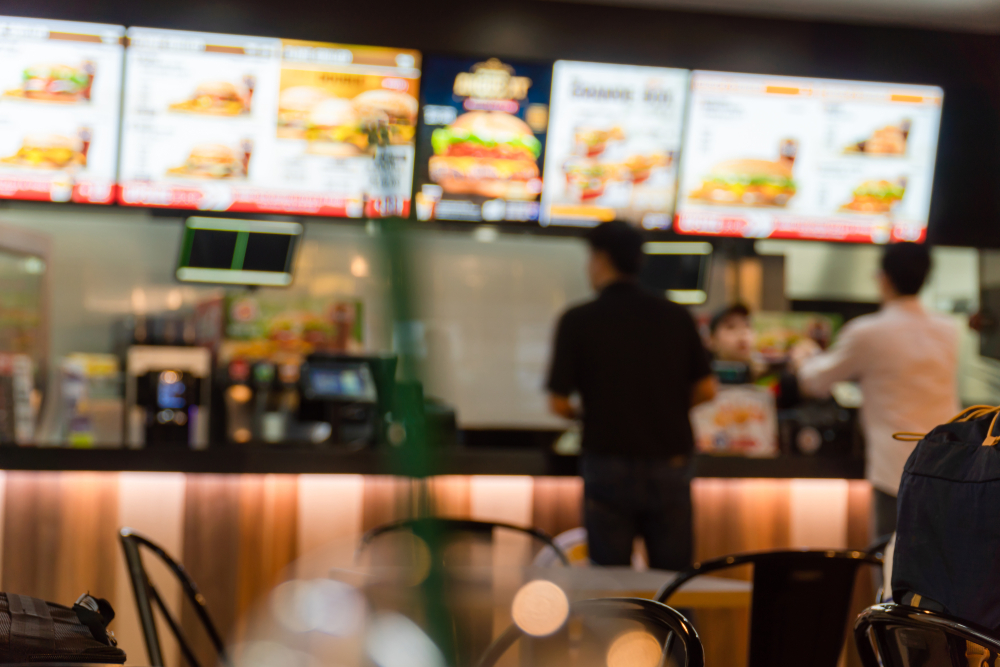
Underserved communities often have a much higher density of fast-food restaurants than supermarkets or fresh produce markets. This food inequality imposes conditions that limit healthy choices.
📌 The role of marketing and the food industry
El entorno informativo también fomentan los obesogenic environments. La mass advertising of ultra-processed products —many aimed at children—promote the consumption of foods high in calories and low in nutritional value. These products are often more affordable and available on every corner.
The food industry uses persuasive marketing techniques: bright colors, animated characters, irresistible promotions, and messages that associate food with happiness. This influences consumer decisions, especially in the most influential segments of the population, such as childhood and adolescence.
Unhealthy products are also commonly present at sporting or school events, contradicting public health messages and reinforcing impulsive consumption.
Additionally, ultra-processed foods often have a longer shelf life, are easier to store, and require less preparation, making them a convenient option for families with less time available.
📌 Alternatives to transform obesogenic environments
Reducing obesity at the population level involves environmental interventions. Some key actions include:
- Urban policies that promote walkable, accessible and safe cities for all.
- Investment in infrastructure: parks, bike paths, community sports centers, free gyms.
- Promotion of local markets and fresh food fairs, especially in peripheral or rural areas.
- Regulation of advertising directed at minors and clear, frontal and understandable labeling of products.
- Subsidies for healthy foods in areas of high vulnerability and healthy snack school programs.
- Incentives for companies to promote work environments that encourage physical activity and a balanced diet.
- Community nutrition education, culturally adapted and accessible to the entire population.
Además, es necesario involucrar a las comunidades en el diseño de las soluciones en obesogenic environments. Las estrategias más efectivas son aquellas que nacen del diálogo entre instituciones, ciudadanos, academia y sector privado.
The approach must be systemic: changing norms, improving access, and generating a cultural shift toward collective well-being. Urban planning must be aligned with public health policies, and these must consider the real impact of the environment on people's lifestyles.
💡 Final Reflection: Change the environment, not just the individual
The solution to obesity cannot be based solely on personal willpower. When the environment is designed to encourage a sedentary lifestyle and the consumption of unhealthy foods, individual effort is not enough.
Creating environments that facilitate healthy choices is everyone's responsibility.: governments, businesses, schools, and citizens. Only in this way can we build a future where health care is not a privilege, but an accessible right for all.
Reducing obesity involves changing the rules of the game, leveling the playing field, and rewriting the physical, social, and cultural environment in which we live.
The transformation won't be immediate, but it will be possible. With a shared vision and concrete actions, we can move toward communities where healthy is also easy, accessible, and everyday.